
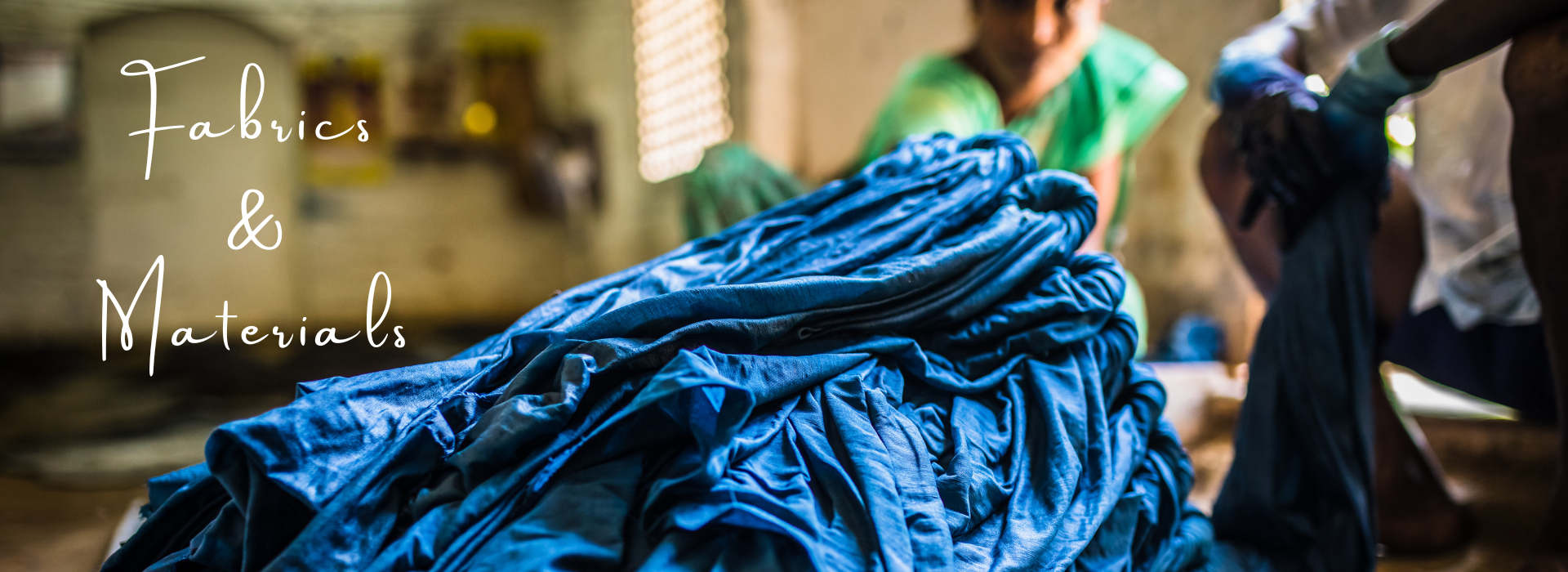
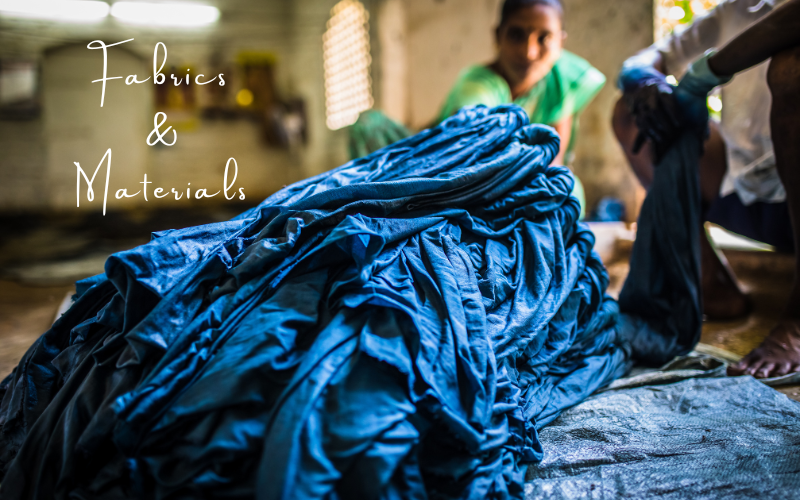


At Roar for Good, we incorporate innovative and sustainable raw materials into our products. Recycled PET bottles, Jute, Organic cotton, Natural dyes, Linen, Bamboo, Hemp, Cork, Recycled polyester, etc are all either a part of our existing or upcoming lifestyle product collection.

PET Bottle Revolution
The journey begins with used PET bottles collected, cleaned, and mechanically broken down into small plastic flakes. These flakes are then melted and extruded into fine yarn threads—lightweight, durable, and suitable for textile applications.
This recycled PET yarn is woven into the uppers of footwear and used as lining material in bags, replacing conventional synthetic fabrics. The result is a sturdy, breathable, and eco-friendly material that reduces reliance on virgin plastics and diverts waste from landfills.
On average, 11–12 bottles are repurposed into one pair of shoes, demonstrating how everyday waste can be transformed into long-lasting, meaningful products. This circular approach helps minimize environmental impact while supporting the global shift toward responsible manufacturing and sustainable fashion.

Jute's Eco-Chic Revolution
Jute offers both environmental and functional value, making it an ideal material for sandals. As a natural fiber, it is fully biodegradable and recyclable, reducing reliance on synthetic materials. The processing of jute requires minimal chemicals, keeping its environmental footprint low.
Its cultivation contributes positively to the planet: one hectare of jute plants can absorb up to 15 tons of CO₂ and release around 11 tons of oxygen, improving air quality. When incorporated into crop rotations, jute farming also enhances soil fertility and supports long-term agricultural sustainability.
In sandals, jute is commonly used in footbeds, straps, and decorative detailing due to its durability, breathability, and natural texture. It brings a unique blend of comfort and earthy aesthetic, reflecting a shift toward materials that are kinder to the environment while still delivering performance and style.

Bamboo Elegance: Innerwear & Socks
Bamboo fabric offers a sustainable alternative to conventional innerwear materials thanks to its minimal environmental footprint. The process begins with bamboo harvested from fast-growing, pesticide-free plantations. The fibers are softened and spun into a smooth, breathable yarn known for its natural stretch, moisture-wicking ability, and antibacterial properties.
This makes bamboo ideal for close-to-skin essentials. Our trunks are crafted from bamboo’s soft, flexible knit, providing comfort and airflow throughout the day. The same lightweight, breathable qualities make bamboo perfect for socks, offering softness, odor resistance, and all-day wearability.
With bamboo textiles, innerwear becomes both comfortable and eco-responsible—reflecting a growing shift toward breathable, renewable materials in everyday clothing.

Elevate Your Stride with Natural Cork
Cork is one of the most sustainable natural materials used in footwear, and its journey begins with a renewable process: the bark of cork oak trees is carefully stripped by hand, without cutting or harming the tree. The bark regenerates, allowing repeated harvesting every 9–12 years. During this cycle, cork oak forests absorb significant carbon—around 55 kg of CO₂ for every kilogram of cork produced—making the material environmentally positive.
Once harvested, the bark is cleaned, pressed, and shaped into sheets, then molded into lightweight, supportive footbeds. Cork naturally adapts to the shape of the foot, offering cushioning, shock absorption, moisture resistance, and long-term comfort without synthetic foams.
By using cork in footwear insoles, sustainability and comfort come together—showcasing how natural materials can replace traditional, high-impact components in modern design.

Elevate Your Performance with Recycled Polyester
Recycled polyester gives new life to existing plastic waste through a circular manufacturing process. Post-consumer plastics—like bottles and packaging—are collected, cleaned, melted, and spun into durable yarn. This significantly reduces energy use, water consumption, and reliance on virgin petroleum-based polyester.
The resulting fabric is lightweight, moisture-wicking, and resilient, making it well-suited for activewear. It’s used across performance garments such as T-shirts, joggers, leggings, sports bras, and tracksuits where stretch, breathability, and long-term durability are essential.
By replacing conventional polyester with its recycled alternative, environmental impact is reduced while performance remains uncompromised—supporting a shift toward responsible, resource-efficient textile production.

Experience Ethical Comfort with Modal
Modal is a plant-based fiber made from the cellulose of sustainably harvested beechwood trees. The wood pulp is processed into a soft, fine yarn through a closed-loop system that recycles most of the chemicals and water used, reducing environmental impact compared to conventional fabrics.
The resulting material is exceptionally smooth, breathable, and moisture-wicking, making it ideal for everyday essentials like innerwear, loungewear, and lightweight apparel. Modal drapes well, resists shrinkage, and maintains softness even after repeated washes.
As a vegan and biodegradable alternative to animal-based textiles, modal supports responsible sourcing and lower-impact production—reflecting the growing shift toward comfortable, durable, and eco-aligned materials in modern fashion.

Feel easybreezy wearing organic cotton
Organic cotton is grown using farming methods that avoid synthetic pesticides, fertilizers, and genetically modified seeds. This approach supports healthier soil, conserves water, and protects surrounding ecosystems. Because no harsh chemicals are used, organic cotton is safer for farmers, communities, and the final wearer.
Once harvested, the cotton is spun into soft, durable yarn that maintains breathability and comfort—making it ideal for everyday clothing and essentials.
Choosing organic cotton supports responsible agriculture and reduces the environmental impact associated with conventional cotton production, aligning fashion with cleaner, more ethical textile practices.

Experience nature's colour palette with dyes extracted from plants
Natural dyes are made by extracting pigments from flowers, fruits, leaves, and vegetable peels. These plant-based colorants replace conventional synthetic dyes, which often rely on chemicals and heavy metals. Using natural dyes reduces water pollution, lowers chemical use, and creates a safer process for both dyers and end users.
The dyeing process requires careful preparation: raw materials are boiled to release pigment, filtered, and then applied to fabric using eco-friendly mordants that help the color bond. The result is a soft, earthy palette with subtle variations—reflecting the beauty and irregularity of nature.
Natural dyeing supports a more responsible textile system where color and sustainability coexist, prioritizing skin safety, environmental health, and traditional craftsmanship.

Let Rubber provide you a grip
Natural rubber is harvested from the milky latex sap of rubber trees, commonly grown in tropical regions like Southeast Asia. The latex is collected through a tapping process that does not harm the tree, allowing it to continue producing sap for many years. Once collected, the latex is filtered, thickened, and processed into sheets or molded forms depending on its final use.
The material is valued for its elasticity, durability, and shock absorption, making it suitable for footwear soles, apparel components, and a range of industrial applications. Unlike synthetic rubber made from petroleum-based chemicals, natural rubber is biodegradable, reducing long-term environmental impact.
Its renewable source and end-of-life biodegradability make natural rubber a responsible alternative in manufacturing—supporting the shift toward materials that balance performance, functionality, and sustainability.

Use Linen to feel cool and look hot
Linen is made from the fibers of the flax plant, a crop that grows with minimal water and requires few or no pesticides. After harvesting, the flax stalks are retted to separate the fibers, which are then spun into yarn and woven into fabric. This low-impact process makes linen one of the most environmentally efficient textiles.
The resulting material is strong, breathable, and highly absorbent, making it suitable for warm climates. Linen is naturally hypoallergenic and becomes softer with each wash while retaining durability, reducing the need for frequent replacements.
As a biodegradable natural fiber, linen supports long-term sustainability by minimizing resource use and textile waste—demonstrating how traditional materials can meet modern needs in both comfort and environmental responsibility.

Why Hemp Belongs in Your Wardrobe
Hemp comes from the stalks of the Cannabis sativa plant, grown with minimal water and no pesticides in regions like India, China, and Europe. After harvesting, the fibers are separated, spun, and woven into durable, breathable fabric.
As a textile, hemp is a high performer: naturally antibacterial, hypoallergenic, UV-resistant, and incredibly tough—yet it gets softer with every wash. It regulates temperature beautifully, keeping you cool in heat and warm in cooler weather, making it suitable for year-round wear.
Fully biodegradable and built to last, hemp proves that sustainability, comfort, and durability don’t just coexist—they thrive together.